
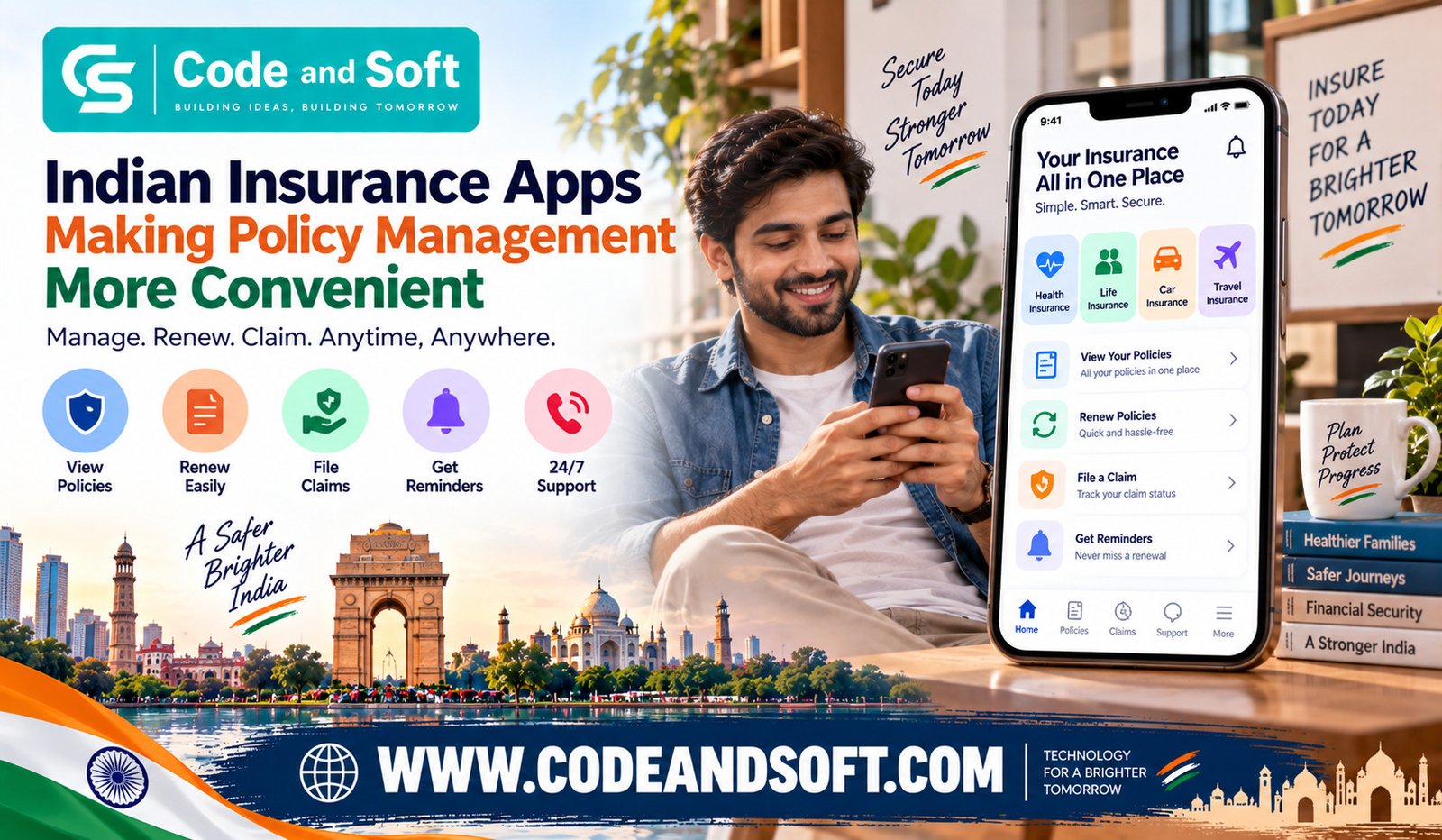

Introduction
Buying a policy used to mean long forms and longer waits at a branch. Today, insurance apps in India have changed that picture completely. A person can compare quotes, buy a plan, file a claim, and track a hospital network, all from a phone screen. This list looks at ten apps that make policy management simpler for everyday users, whether they are shopping for health cover, motor insurance, or just trying to keep old documents in one place. Each entry covers what the app does well, where it falls short, and who should consider it.
1. Policybazaar
Policybazaar is the name most Indians think of first when they hear insurance apps in India.
- Category: Comparison and marketplace app
- Coverage types: Health, motor, term, travel, and investment plans
- Insurers integrated: Dozens of leading providers in one place
- Standout feature: Side by side quote comparison before purchase
- Claims support: In-app tracking for renewals and claim status
- User base: Crores of registered users across India
- Pros: Wide choice, transparent pricing, fast digital issuance
- Drawbacks: Frequent calls and messages from sales agents after sign up
- Price range: Free to use, premiums vary by plan and insurer
- Best suited for: First-time buyers who want to compare many options quickly
2. Turtlemint
Turtlemint takes a slightly different approach by pairing technology with a network of trained advisors.
- Category: Advisor led insurance platform
- Coverage types: Life, health, motor, and corporate plans
- Standout feature: Local agents guide customers through complex choices
- Digital tools: Renewal reminders and paperless policy storage
- Claims support: Advisors assist directly with claim filing
- Pros: Personal guidance without giving up app convenience
- Drawbacks: Less useful for buyers who prefer a fully self-service journey
- Price range: No app fees, standard insurer premiums apply
- Best suited for: People who want a human touch alongside digital tools
- Extra note: Popular among small business owners setting up group cover
3. ACKO
ACKO built its reputation as a digital-first insurer with no physical branch network.
- Category: Direct insurer app
- Coverage types: Motor, health, and travel insurance
- Standout feature: Instant claim settlement for many motor policy cases
- Pricing model: Lower overhead often means competitive premiums
- Renewal process: Fully automated with minimal paperwork
- Pros: Quick onboarding, clean interface, transparent terms
- Drawbacks: Smaller product range compared to older insurers
- Price range: Motor premiums often start lower than traditional insurers
- Best suited for: Younger buyers comfortable managing everything online
- Extra note: Known for a straightforward claims process with less documentation
4. Digit Insurance
Digit has grown quickly by focusing on simple language and fast claim resolution.
- Category: Digital-first general insurer
- Coverage types: Motor, health, travel, and home insurance
- Standout feature: Self-inspection through photos and video for motor claims
- Policy documents: Stored digitally with no need for physical copies
- Customer support: In-app chat for quick queries
- Pros: Plain language policy wording, fast claim turnaround
- Drawbacks: Newer brand with a shorter track record than legacy insurers
- Price range: Competitive, varies by vehicle or health plan chosen
- Best suited for: Buyers who dislike dense insurance jargon
- Extra note: Offers add-on covers that can be toggled on or off easily
5. HDFC ERGO
HDFC ERGO combines the backing of a large financial group with a dedicated mobile app.
- Category: Insurer-owned app
- Coverage types: Health, motor, home, and travel insurance
- Standout feature: Wide cashless hospital network for health claims
- Policy management: Renewals, e-cards, and claim tracking in one dashboard
- Support channels: Dedicated helpline linked within the app
- Pros: Strong financial backing, broad hospital network
- Drawbacks: Interface can feel dense for first-time users
- Price range: Mid to premium range depending on the plan
- Best suited for: Buyers who value brand stability over the lowest price
- Extra note: Frequent app updates aim to improve claim speed
6. ICICI Lombard (IL TakeCare)
IL TakeCare is the health-focused companion app from ICICI Lombard, built around wellness as much as claims.
- Category: Insurer-owned health app
- Coverage types: Health insurance with wellness add-ons
- Standout feature: Health tracking tools alongside policy management
- Claim process: Pre-authorisation and cashless claim status visible in app
- Wellness tools: Step tracking and health tips for policyholders
- Pros: Blends everyday health tracking with insurance utility
- Drawbacks: Wellness features may feel unnecessary to some users
- Price range: Standard health insurance premiums apply
- Best suited for: Policyholders who want health monitoring built into their cover
- Extra note: Useful for families managing multiple health policies together
7. Niva Bupa Health Insurance
Niva Bupa focuses purely on health cover, with an app built around that single purpose.
- Category: Health insurer app
- Coverage types: Individual and family health plans
- Standout feature: Detailed hospital search with real-time bed availability info
- Claims process: Cashless claim initiation directly from the app
- Policy tools: Easy top-up and renewal options
- Pros: Focused design, no unrelated financial products cluttering the app
- Drawbacks: Does not cover motor or life insurance needs
- Price range: Varies by sum insured and family size
- Best suited for: Families that want a dedicated health insurance manager
- Extra note: Known for responsive customer service during claim disputes
8. Star Health
Star Health is one of the older standalone health insurers, and its app reflects years of claims experience.
- Category: Health insurer app
- Coverage types: Individual, senior citizen, and family floater health plans
- Standout feature: Dedicated plans for senior citizens and critical illness
- Claim support: Large network hospital list with cashless options
- Policy management: E-card download and renewal reminders
- Pros: Deep experience with health-only insurance products
- Drawbacks: App design feels less modern than newer entrants
- Price range: Premiums can be higher for senior citizen plans
- Best suited for: Older customers and families seeking long-term health cover
- Extra note: Strong reputation for handling complex medical claims
9. PhonePe Insurance
PhonePe extended its payments platform into insurance, making it a familiar option for many users.
- Category: Payments app with insurance marketplace
- Coverage types: Health, motor, and small ticket insurance products
- Standout feature: One app for payments, bill tracking, and insurance
- Purchase flow: Quick checkout using an already linked bank account
- Renewal reminders: Notifications appear alongside regular payment alerts
- Pros: Familiar interface for existing PhonePe users, fast checkout
- Drawbacks: Product range narrower than dedicated insurance marketplaces
- Price range: Standard market premiums, no extra platform fee
- Best suited for: People who already use PhonePe daily and want fewer apps
- Extra note: Good entry point for first-time insurance buyers
10. ABHA (Ayushman Bharat Digital Mission)
ABHA is not a private insurer app, but it plays a growing role in how Indians manage health records tied to coverage.
- Category: Government digital health platform
- Coverage types: Supports access to Ayushman Bharat PM-JAY beneficiaries
- Standout feature: Digital health ID linking records across providers
- Hospital search: Locate empanelled hospitals under government schemes
- Consent management: Users control who can view their health records
- Pros: Free to use, supports public healthcare access
- Drawbacks: Not a substitute for a private insurer claims app
- Price range: No cost to citizens
- Best suited for: Beneficiaries of government health schemes and record keeping
- Extra note: Works well alongside a private health insurance app rather than replacing one
Key Takeaways
- Best overall for comparison: Policybazaar
- Best for advisor support: Turtlemint
- Best for fast digital claims: ACKO
- Best for plain language policies: Digit Insurance
- Best for hospital network size: HDFC ERGO
- Best for health and wellness tracking: ICICI Lombard IL TakeCare
- Best dedicated health app: Niva Bupa
- Best for senior citizens: Star Health
- Best for existing payment app users: PhonePe Insurance
- Best for government scheme access: ABHA
Frequently Asked Questions
Are insurance apps in India safe to use for personal data?
Most established apps use encryption and secure servers, but users should still check an app is IRDAI regulated before sharing sensitive documents.
Can a person buy a policy directly through these apps?
Yes, most of the apps listed allow full purchase, payment, and policy issuance without visiting a branch.
Do these apps support cashless hospital claims?
Many insurer-owned apps, including HDFC ERGO and Niva Bupa, support cashless claims through their hospital networks.
Is it necessary to use a comparison app like Policybazaar before buying directly from an insurer?
It is not necessary, but comparing quotes first often helps buyers find better pricing or coverage terms.
Are government apps like ABHA a replacement for private health insurance?
No, ABHA supports health record access and government scheme benefits, and it works best alongside a private insurance policy rather than instead of one.
Conclusion
Insurance apps in India have made policy management far less stressful than it once was. From full marketplaces like Policybazaar to focused health platforms like Niva Bupa and Star Health, there is an app suited to nearly every kind of buyer. For someone who wants to compare options before committing, Policybazaar remains the strongest starting point, while those who already have a preferred insurer will likely find that insurer’s own app covers most daily needs.