
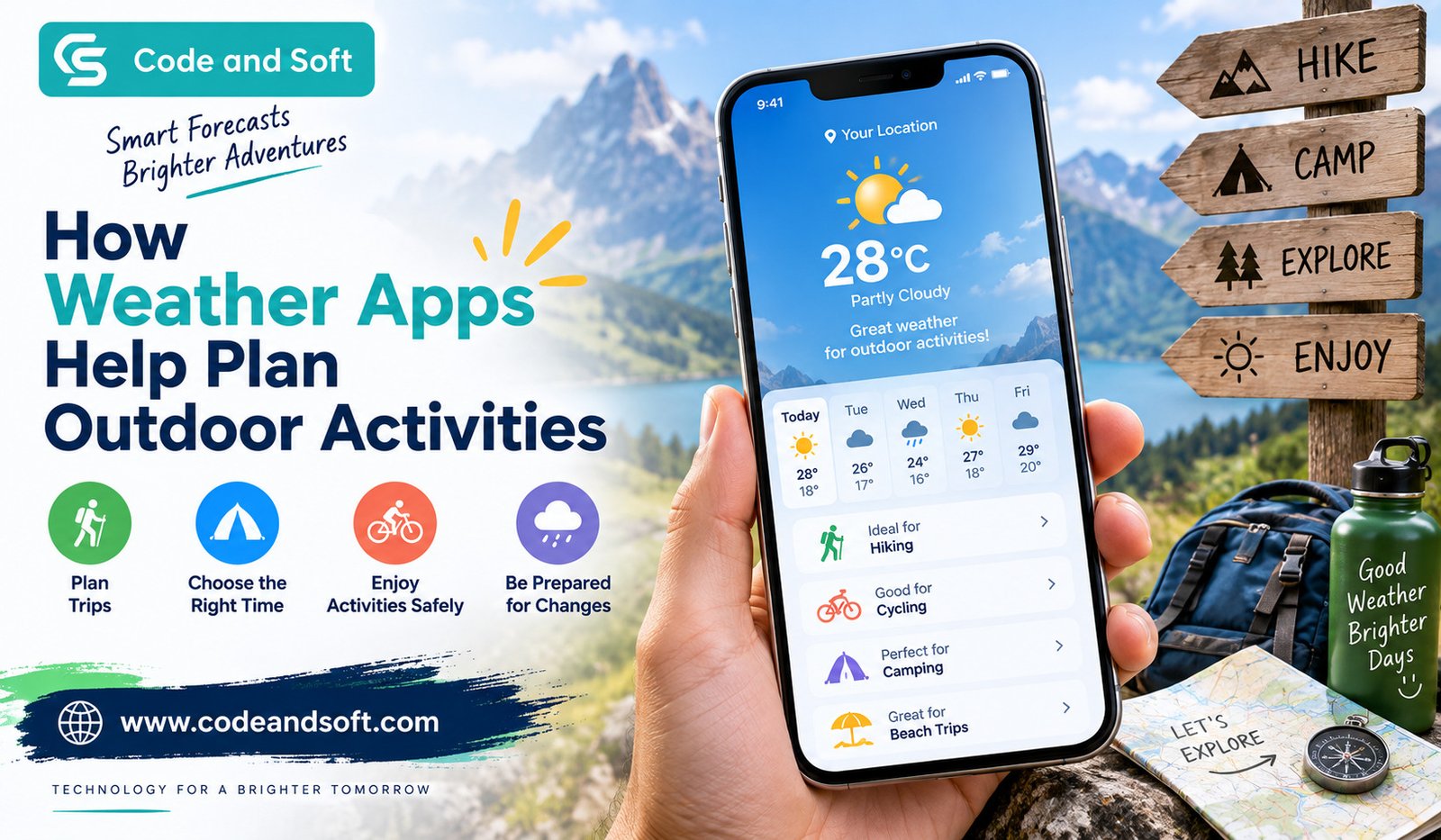
Planning an outdoor activity sounds simple until the weather decides to change your plans. You may have a picnic scheduled, a weekend trek planned, or a morning cycling session on your calendar, only to discover that rain, extreme heat, or strong winds are on the way. This is where Weather Apps can become one of the most useful tools on your phone.
Instead of checking the sky and hoping for the best, you can use a weather app to understand what conditions are likely to be like before you step outside. Modern weather apps provide much more than just today’s temperature. You can check hourly forecasts, chances of rain, wind conditions, humidity, UV levels, and other information that can help you make better decisions.
Whether you enjoy outdoor sports, travel, fitness activities, or simply spending time outside, knowing what the weather may bring can make your plans safer and more comfortable.
Why Weather Matters When Planning Outdoor Activities
Weather can have a major impact on almost every outdoor plan. A sunny morning can quickly turn into a rainy afternoon, while a day that looks comfortable on paper may feel much hotter because of high humidity.
Think about planning a long hike. Temperature is important, but it isn’t the only thing you need to consider. You also want to know whether rain is expected, how strong the wind will be, and whether temperatures will rise significantly during the afternoon.
The same applies to activities such as cycling, camping, running, photography, sightseeing, and outdoor events.
By checking Weather Apps before you leave, you can adjust your plans according to expected conditions. You might decide to start your hike earlier, carry rain protection, choose a shaded route, or move your activity to another day.
Check the Forecast Before You Make Plans
One of the easiest ways to use a weather app is to check the forecast before scheduling an outdoor activity.
Suppose you want to spend Sunday at a nearby park. Instead of waiting until Sunday morning, you can check the forecast several days ahead. If the forecast suggests comfortable temperatures and a low chance of rain, you can continue with your plan.
If rain is expected for most of the day, you have time to consider another option.
Forecasts can change, so you shouldn’t treat a prediction several days in advance as a guarantee. However, it gives you a useful starting point. As your activity gets closer, you can check the updated forecast and make a more informed decision.
Hourly Forecasts Make Outdoor Planning Easier
Daily weather information is useful, but hourly forecasts can be even more helpful when you have a specific schedule.
Imagine you are planning a morning run. The overall forecast may say that the day will be partly cloudy, but an hourly forecast might show that rain is expected between 7 a.m. and 9 a.m.
With that information, you can change your running time rather than canceling your workout completely.
Hourly forecasts are also helpful for longer outdoor activities. If you are planning a picnic from noon until 4 p.m., you can look at the expected conditions throughout that period instead of relying only on the day’s high and low temperatures.
This gives you a clearer idea of what you might experience while you are outside.
Rain Forecasts Help You Avoid Unpleasant Surprises
Rain is one of the biggest reasons outdoor activities get disrupted. A sudden shower can turn a relaxing picnic into a scramble for shelter, while heavy rain can make hiking trails slippery and potentially unsafe.
Many Weather Apps provide precipitation forecasts and rain probabilities. This information can help you decide whether you should carry an umbrella, waterproof clothing, or other protective gear.
For outdoor events, checking precipitation forecasts can also help you prepare backup arrangements.
If you’re planning a photography session, for example, you may prefer a dry day. If you’re going camping, you may want to know whether rain could affect your tent setup or outdoor cooking plans.
You don’t always have to cancel your activity when rain is possible. Sometimes, you simply need to prepare better.
Temperature Information Helps You Dress Properly
Temperature is another major factor when spending time outdoors.
A weather app can help you understand both current and expected temperatures. This makes it easier to choose suitable clothing for your activity.
If you’re going for an early morning walk, the temperature may be significantly lower than it will be in the afternoon. You might therefore need an extra layer when leaving home.
On hot days, you can plan outdoor exercise during cooler hours, such as early morning or evening. This can make the activity more comfortable and may help you avoid unnecessary exposure to extreme heat.
You can also pay attention to the difference between the actual temperature and how it feels outside. Humidity, wind, and sunlight can affect your comfort even when the temperature itself doesn’t seem particularly high.
Wind Conditions Are Important for Many Activities
Wind is easy to overlook when planning an outdoor activity, but it can make a noticeable difference.
For cyclists, strong headwinds can make a route more physically demanding. For hikers, strong winds can make exposed areas less comfortable. If you’re spending time near a lake or beach, wind can also affect water conditions and overall comfort.
Wind information can therefore be particularly useful for activities such as cycling, sailing, boating, fishing, kite flying, and outdoor photography.
Before heading out, take a moment to check the expected wind speed and direction. You may decide to change your route or choose a more sheltered location.
UV Information Helps You Plan Sunny-Day Activities
A bright, sunny day may seem perfect for outdoor activities, but too much exposure to ultraviolet (UV) radiation can be a concern.
Many weather apps provide a UV index that gives you an idea of expected UV intensity. If the UV level is high, you can plan your activity for an earlier or later time of day and take appropriate sun-protection measures.
For example, if you are planning a long walk, outdoor workout, or sightseeing trip, you can consider wearing suitable clothing, using sunscreen, and taking breaks in shaded areas.
This is another example of how weather information can help you plan rather than simply react to conditions.
Weather Apps Can Make Travel Planning More Flexible
Weather becomes even more important when you’re traveling.
If you’re visiting a new city or destination, you may not be familiar with its local weather patterns. Checking Weather Apps can help you decide what clothing to pack and which activities to prioritize.
Suppose you’re planning a trip that includes sightseeing, hiking, and outdoor dining. If the forecast shows clear weather on one day and rain on another, you can schedule your outdoor sightseeing for the better day and save indoor attractions for the rainy period.
This simple adjustment can make your trip more enjoyable.
You can also check the weather at multiple destinations if you’re taking a road trip. This can help you prepare for changing conditions along your route.
Weather Apps Are Useful for Sports and Fitness
If you regularly exercise outdoors, weather information can become part of your normal routine.
Runners can check temperature, rain, wind, and humidity before heading out. Cyclists can look at wind direction and forecast conditions along their route. People who enjoy outdoor yoga or workouts can choose comfortable times based on expected temperatures.
You don’t necessarily need to stop exercising whenever the weather isn’t perfect. Instead, you can use the information to adjust your routine.
For example, you might move a midday workout to the morning during a particularly hot day. On a rainy day, you can switch from an outdoor run to an indoor workout.
The goal is to make your plans more adaptable.
Use Weather Apps Along With Common Sense
Although Weather Apps are extremely useful, you shouldn’t rely on them blindly.
Weather forecasts are predictions, and conditions can change. Forecast accuracy can also vary depending on location, especially in areas where weather changes quickly.
For activities that involve greater risks, such as mountain trekking, water sports, or remote camping, you should pay attention to official weather warnings and local safety information as well.
It’s also worth checking the forecast shortly before you leave. A forecast you checked three days ago may not be the same as the latest prediction.
In other words, use weather apps as a planning tool rather than treating them as an absolute guarantee.
Create a Simple Weather-Checking Routine
You don’t need to spend a lot of time studying weather data. A simple routine can be enough.
Before planning an outdoor activity, check the forecast for the day. As the activity gets closer, check the hourly forecast. On the day itself, take another look at current conditions and any alerts.
You can focus on a few key details:
- Temperature
- Chance of rain
- Wind speed
- Humidity
- UV index
- Severe weather alerts
- Hourly forecast
This quick check can help you decide what to wear, what to carry, when to leave, and whether your original plan needs adjustment.
Final Thoughts
Outdoor activities are often more enjoyable when you’re prepared for what the weather may bring. Whether you’re planning a simple walk, a family picnic, a cycling trip, a hike, or a weekend adventure, Weather Apps can give you useful information before you head outside.
Instead of relying entirely on what the sky looks like when you wake up, you can check forecasts, compare different times of day, and prepare for possible changes. You can choose better timings, pack appropriate clothing, carry rain protection, and make safer decisions.
The biggest advantage isn’t that a weather app can predict every change perfectly. It’s that it gives you information that helps you stay flexible.
So, before your next outdoor adventure, take a few minutes to check the weather. A quick look at your phone could be the difference between an activity that feels stressful and one that goes exactly as planned.