
Getting a good night’s sleep can sometimes feel harder than it should. You may get into bed on time, switch off the lights, and still find your mind running through unfinished work, tomorrow’s plans, or random thoughts from the day. Even when you are physically tired, your brain may not be ready to slow down.
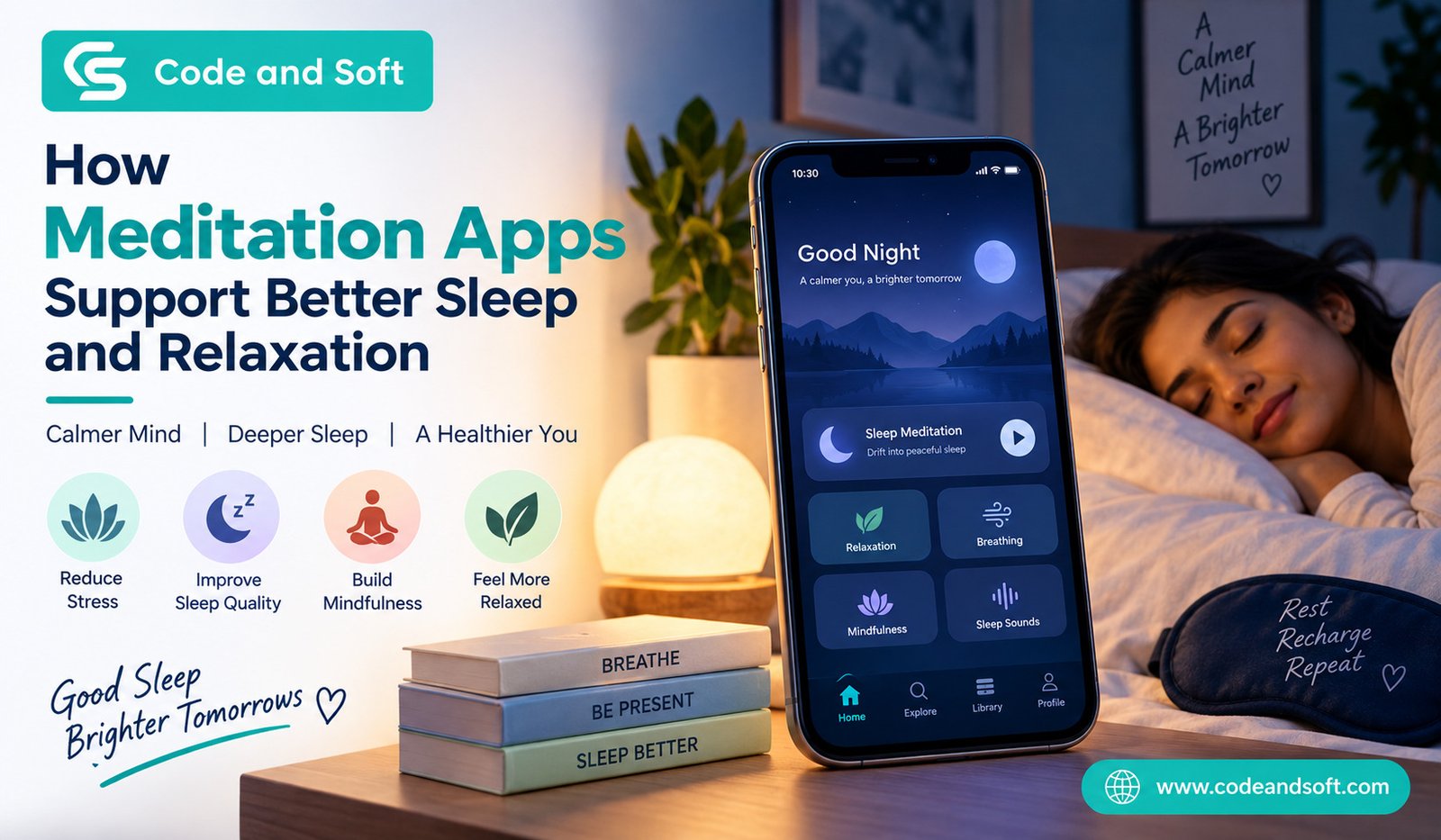
This is where Meditation Apps can become a useful part of your bedtime routine. Instead of trying to force yourself to fall asleep, you can use guided meditation, breathing exercises, relaxing sounds, and mindfulness sessions to help your mind gradually settle.
The best part is that you don’t need a complicated setup. You can simply use your smartphone, choose a session that matches your mood, put on your headphones if needed, and give yourself a few quiet minutes before bed.
Why Relaxation Matters for Better Sleep
Your sleep quality isn’t determined only by how many hours you spend in bed. Your mental state before going to sleep can also influence how easily you fall asleep and how restful your night feels.
If you’re stressed or mentally overstimulated, your body may remain in a state of alertness even when you’re ready for bed. You might keep checking your phone, replaying conversations, thinking about work, or worrying about the next day.
A relaxing routine gives you an opportunity to create a clear boundary between your daytime activities and bedtime. Meditation can help you focus your attention on the present moment instead of allowing your thoughts to constantly jump from one subject to another.
By making relaxation part of your nightly routine, you can create a calmer environment in which sleep feels more natural.
How Meditation Apps Help You Build a Bedtime Routine
One of the biggest advantages of Meditation Apps is convenience. You don’t necessarily need to attend a meditation class or spend a lot of time learning different techniques.
Most apps offer sessions that you can start whenever you need them. You might find five-minute breathing exercises for a busy evening, longer guided meditations for weekends, or dedicated sleep sessions designed specifically for bedtime.
This flexibility makes it easier to build a routine that fits your lifestyle.
For example, you could spend ten minutes using a guided meditation every night before going to sleep. After doing this consistently, the activity itself can become a signal that your day is coming to an end.
The key isn’t necessarily to meditate for a long time. Consistency can be more useful than trying to complete an hour-long session once in a while.
Guided Meditation Can Help Quiet a Busy Mind
Have you ever noticed that your thoughts seem louder as soon as your head touches the pillow?
During the day, you’re usually occupied with work, conversations, entertainment, and other activities. Once everything becomes quiet at night, thoughts that were pushed into the background can suddenly become noticeable.
Guided meditation can give your attention something calm to focus on.
A narrator may ask you to pay attention to your breathing, relax different parts of your body, or imagine a peaceful environment. Instead of actively trying to stop thinking, you simply follow the instructions.
This can make meditation feel less intimidating if you’re new to the practice. You don’t have to know exactly what to do. You can simply listen and follow along.
Over time, you may become more comfortable recognizing distracting thoughts without automatically following them.
Breathing Exercises for Evening Relaxation
Your breathing can be an easy place to start when you want to relax.
Many Meditation Apps include guided breathing exercises that encourage you to slow down and pay attention to each breath. The goal isn’t to completely empty your mind. Instead, you bring your attention back to your breathing whenever your thoughts wander.
For example, you might sit or lie comfortably, take a slow breath, and concentrate on how the air feels as you inhale and exhale.
This simple practice can help you shift your attention away from stressful thoughts and toward something more immediate.
You can also use breathing exercises during the day. If you have had a stressful meeting or a hectic afternoon, taking a few minutes to reset before continuing your day may make it easier to transition into your evening routine later.
Sleep Stories and Relaxing Audio
Meditation isn’t always about sitting silently and concentrating on your breathing.
Many modern Meditation Apps offer sleep stories, nature sounds, soft music, soundscapes, and other forms of relaxing audio. These features can be particularly appealing if traditional meditation doesn’t hold your attention.
A sleep story, for example, can give your mind a gentle narrative to follow while you’re lying in bed. Nature sounds may create a peaceful background that masks distracting noises around you.
You can experiment with different options to find what works best for you. Maybe rainfall helps you relax, while another person might prefer ocean sounds or quiet instrumental music.
The important thing is to choose something that makes your bedtime environment feel calmer rather than more stimulating.
Body Scan Meditation Before Bed
Another useful feature you may find in Meditation Apps is body scan meditation.
During a body scan, you’re guided to bring your attention gradually to different parts of your body. You might start with your feet and slowly move your attention upward toward your legs, stomach, shoulders, neck, and head.
As you do this, you become more aware of physical sensations and areas where you may be holding tension.
You don’t need to force your muscles to relax. Instead, you simply notice how your body feels and allow yourself to become more aware of it.
This can be especially useful if you spend most of your day sitting at a desk, working on a computer, or dealing with physical and mental stress.
Meditation Apps Make Personalization Easier
Everyone relaxes differently. That’s another reason Meditation Apps can be helpful.
You can usually choose sessions based on your specific needs or preferences. You may want a short meditation when you’re feeling overwhelmed, a sleep-focused session at night, or a longer mindfulness exercise when you have more free time.
Some apps also organize content by experience level. If you’re a beginner, you can start with simple sessions and gradually explore longer or more advanced practices.
This personalized approach can make meditation easier to maintain because you’re not forced to follow the same routine every day.
Your needs can also change. One evening, you may need breathing exercises after a stressful day. On another night, a relaxing sleep story may be all you want.
Creating a Simple Meditation Routine
You don’t need to completely change your lifestyle to benefit from meditation.
Start small.
Choose a consistent time in the evening and dedicate five to ten minutes to meditation. Put your phone on silent except for the meditation session, lower the lights, and find a comfortable position.
Try to avoid treating meditation like another task you have to complete perfectly.
If your mind wanders, that’s normal. Simply return your attention to the voice, your breathing, or whatever the session asks you to focus on.
After a few days, you can decide whether you want to increase the duration.
You can also experiment with meditation earlier in the evening rather than immediately before bed. This may work better for you if using your phone right before sleeping feels too stimulating.
What to Look for in Meditation Apps
With so many options available, choosing an app can feel overwhelming. Instead of downloading several apps and barely using any of them, think about what you actually need.
Look for features such as:
- Guided meditation for beginners
- Sleep-focused meditation sessions
- Breathing exercises
- Body scan sessions
- Sleep stories
- Nature sounds and relaxing audio
- Different session lengths
- Beginner-friendly programs
- Offline listening, if useful for you
- Progress tracking, if you enjoy building habits
You don’t necessarily need an app with hundreds of features. A simple app that you enjoy using regularly can be more valuable than one packed with tools you never use.
Meditation and Healthy Sleep Habits Work Better Together
While Meditation Apps can support relaxation, they shouldn’t be viewed as a magic solution for every sleep problem.
Your overall sleep habits still matter.
Try to maintain a relatively consistent bedtime, keep your bedroom comfortable and quiet, and avoid consuming stimulating content immediately before going to sleep. Limiting caffeine late in the day can also be helpful for some people.
You can think of meditation as one part of a larger sleep routine rather than the entire solution.
For instance, you might finish dinner, reduce screen activity, take a warm shower, spend ten minutes with a guided meditation, and then go to bed. Creating a predictable sequence can help your evenings feel less chaotic.
How to Make Meditation a Long-Term Habit
The biggest challenge isn’t usually learning how meditation works. It’s remembering to practice it consistently.
You can make things easier by attaching meditation to something you already do every night.
For example, after brushing your teeth, you could start a five-minute meditation. Or you could use a short session immediately after getting into bed.
Don’t worry if you miss a day. Instead of giving up because your routine wasn’t perfect, simply continue the next evening.
You can also keep your expectations realistic. Meditation isn’t about making every thought disappear. It’s about learning to notice what’s happening in your mind and gently bringing your attention back.
That approach can make the practice feel much more achievable.
Final Thoughts
Better sleep doesn’t always begin when you close your eyes. Sometimes, it starts with how you spend the final few minutes of your day.
Meditation Apps give you an accessible way to introduce mindfulness, breathing exercises, body scans, sleep stories, and relaxing sounds into your routine. You can choose a session based on how you’re feeling and gradually develop a bedtime habit that helps you transition away from the demands of the day.
You don’t need to meditate perfectly, and you don’t need to spend hours doing it. Start with a few quiet minutes, experiment with different techniques, and pay attention to what helps you feel more relaxed.
Over time, those small moments of calm can become a valuable part of your evening routine—and may help you approach bedtime with a quieter mind and a more relaxed body.