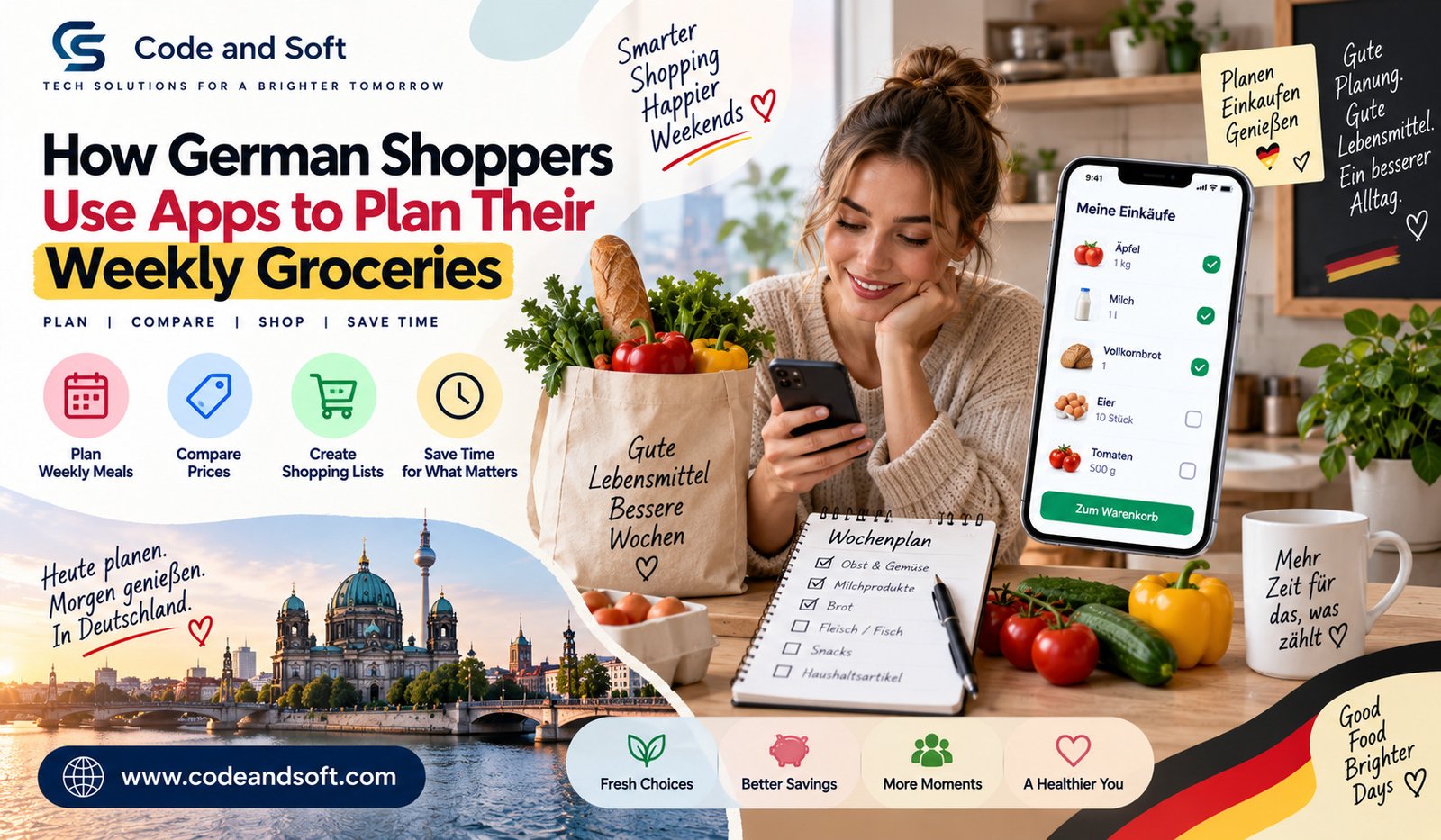
Planning your weekly groceries can easily turn into a time-consuming task. You make a list, check what is missing from the kitchen, compare prices, visit a supermarket, and then realize you forgot something important. For many shoppers in Germany, however, smartphones have changed the way this routine works.
Today, you can use apps to plan meals, discover supermarket offers, order fresh food, compare prices, and even have groceries delivered to your doorstep. Instead of treating grocery shopping as one large weekly chore, you can break it into smaller and more manageable steps.
This is where Grocery Apps in German become useful. Whether you prefer shopping from a supermarket, ordering quick deliveries, planning meals in advance, or checking weekly discounts, there are several apps that can fit different shopping habits.
Let’s look at how you can use some of the popular options, including REWE, Flink, HelloFresh, Lieferando, Gorillas, and kaufDA, to make your weekly grocery routine easier.
Why Grocery Apps Are Becoming Part of Weekly Shopping
Your grocery routine usually starts before you enter a supermarket. You might check your refrigerator, think about meals for the coming week, and decide how much you want to spend.
Apps can bring many of these activities together.
Instead of browsing supermarket shelves without a plan, you can use your phone to check products and offers beforehand. If you are short on time, you can order groceries online. If you don’t know what to cook, meal-kit services can help you decide.
Another advantage is flexibility. You don’t necessarily have to use one app for everything. You can use one service for your main weekly shop, another for urgent items, and another to compare local deals.
1. REWE for Your Main Weekly Grocery Shop
If you want to organize most of your weekly grocery shopping in one place, REWE is a practical option.
The REWE app can help you browse groceries and plan a larger shopping order. You can search for everyday products such as vegetables, fruit, dairy products, bread, beverages, snacks, and household essentials.
A useful way to approach your weekly shopping is to create your list before you start browsing. Think about what you normally consume during the week and divide your list into categories.
For example:
- Fresh vegetables and fruit
- Dairy and refrigerated products
- Meat or meat alternatives
- Bakery products
- Breakfast items
- Drinks
- Snacks
- Cleaning and household products
Once your list is ready, you can check what’s available and look for suitable offers.
This approach can help you avoid impulse purchases. Instead of adding products simply because they catch your attention, you already have a plan.
For families or people who prefer one larger shopping trip each week, an app such as REWE can become the starting point for the entire grocery routine.
2. Flink When You Need Groceries Quickly
Sometimes your weekly planning doesn’t go exactly as expected.
You may run out of milk, discover that you forgot an ingredient for dinner, or suddenly need a few extra groceries. That’s where Flink can be useful.
Rather than making another trip to the supermarket for just a handful of products, you can check the app and order what you need for delivery, depending on availability in your area.
The best way to use a fast grocery-delivery service is not necessarily to replace your weekly supermarket shop. Instead, you can keep it as a backup option.
For example, imagine you’re preparing dinner and realize you are missing pasta sauce and vegetables. A quick delivery can save you the trip.
This also changes how you think about grocery planning. Your weekly grocery list doesn’t have to be completely rigid. You can plan the majority of your purchases in advance while keeping an option available for unexpected needs.
3. HelloFresh for Meal Planning
One of the biggest challenges of grocery shopping isn’t buying food—it’s deciding what to cook.
If you find yourself asking, “What should I make for dinner tonight?” several times a week, HelloFresh takes a different approach.
Rather than simply giving you a grocery list, HelloFresh focuses on meal kits and recipe planning. You select meals based on the available options, and ingredients are delivered according to the meals you choose.
This can make weekly planning feel much simpler.
Instead of buying random ingredients and trying to figure out how they fit together later, you can start with the meals you want to prepare. This is particularly useful when you’re trying to bring more variety into your weekly menu.
You can also think of meal planning as a way to make your grocery budget more predictable. When you know what meals you’re preparing, you have a better idea of which ingredients you actually need.
For busy professionals, couples, or anyone who doesn’t enjoy planning meals from scratch, this can take some of the mental work out of the weekly routine.
4. Lieferando Isn’t Just About Restaurant Food
When you think about Lieferando, you might immediately think about ordering restaurant meals. However, the platform can also be relevant when you are looking for grocery and convenience options available in your area.
This makes it another useful app to keep in mind when planning your week.
You might use a traditional supermarket service for your larger grocery order and turn to Lieferando when you need something more immediately or want to explore available local delivery options.
For example, if you’re working late and realize that you haven’t planned dinner or need a few food items, checking what’s available through the app can be more convenient than making a last-minute shopping trip.
The key is to use it strategically rather than allowing convenience to replace your regular grocery planning.
5. Gorillas for Last-Minute Shopping
Gorillas became known for the quick-grocery-delivery trend, offering shoppers a way to order everyday products through an app.
While availability and service models can change over time and by market, the idea behind this type of grocery service remains relevant: you don’t always need to wait for your next planned supermarket trip.
You can think of quick-commerce apps as an emergency shelf for your home.
Forgot coffee? Need snacks before guests arrive? Ran out of an everyday ingredient? Instead of changing your entire schedule, you can check whether the items are available for delivery.
This is especially convenient if you live in an urban area where delivery services operate nearby.
However, if you’re trying to control your spending, it’s still worth distinguishing between planned purchases and convenience purchases. Ordering small items frequently can make your grocery spending harder to track.
6. kaufDA for Finding Weekly Deals
Before you decide where to buy your groceries, you may want to know which stores have the best offers.
That’s where kaufDA can fit into your routine.
The platform focuses on local retail offers and digital flyers, allowing you to browse promotions from different retailers. Instead of collecting paper brochures or checking several websites individually, you can use your phone to see what deals are available.
This can be particularly useful when you are shopping with a budget.
Suppose you know that you need coffee, cereal, laundry detergent, vegetables, and drinks. Before buying everything from one store, you can check current offers and see whether some of the products are discounted elsewhere.
You don’t have to chase every single discount. A better approach is to look for meaningful savings on products you were already planning to buy.
That small difference can make deal hunting much more practical.
How You Can Combine These Apps
The real benefit doesn’t necessarily come from choosing one app. You can create a simple system where each app has a specific purpose.
For example, your weekly routine could look like this:
Step 1: Check offers with kaufDA
Start by checking current promotions and deciding whether any discounts match your shopping list.
Step 2: Plan meals
Use your preferred recipes or HelloFresh to decide what you want to eat during the week.
Step 3: Make your main grocery list
Add everything you need, including food, drinks, and household essentials.
Step 4: Complete your main shop through REWE
Use your list to organize your larger weekly grocery purchase.
Step 5: Keep Flink or Gorillas as backup options
If you forget something or unexpectedly run out of an essential item, a quick-delivery service may save you another shopping trip.
Step 6: Use Lieferando when convenience matters
If you’re short on time or looking for available food and delivery options, you can check Lieferando rather than making a last-minute trip.
This creates a flexible system instead of forcing you to rely on one service for every situation.
Tips for Smarter Grocery App Shopping
Using grocery apps doesn’t automatically mean you’ll spend less. In fact, easy ordering can sometimes encourage you to buy more.
To keep your shopping under control, you can follow a few simple habits.
Make Your List Before Opening the App
When you browse without a plan, attractive offers can quickly turn into unnecessary purchases. Start with your list and then look for discounts.
Set a Weekly Budget
Give yourself a realistic spending limit. This makes it easier to decide whether a promotion is genuinely useful.
Compare Before Buying
If you have several grocery options available, compare prices and delivery costs. A discounted product isn’t always cheaper once additional charges are included.
Separate Essentials From Treats
Keep everyday necessities at the top of your list. Snacks, drinks, and impulse purchases can come afterward.
Plan Around Your Schedule
If you know you’ll be busy on certain evenings, arrange your grocery delivery or meal planning around those days. This can reduce the temptation to order expensive last-minute meals.
The Future of Grocery Shopping in Germany
The growing use of digital shopping tools shows how much grocery planning can change when you have the right apps available.
You can use traditional supermarket platforms for planned purchases, quick-commerce services for urgent needs, meal-kit platforms for recipe inspiration, and deal apps for price comparisons.
The important thing isn’t simply downloading every grocery app you can find. It’s understanding what each service does best.
For you as a shopper, the biggest advantage is flexibility. You can plan your main groceries ahead of time while still having convenient options when something unexpected happens.
Final Thoughts
Weekly grocery shopping doesn’t have to mean spending hours planning, travelling to stores, and searching through shelves. With the right digital tools, you can organize much of the process from your phone.
REWE can support your main grocery shopping, Flink and Gorillas can help with quick grocery needs where available, HelloFresh can simplify meal planning, Lieferando can provide additional food and delivery options, and kaufDA can help you discover local deals.
The best approach is to combine these services according to your lifestyle. Once you know which app is useful for which situation, Grocery Apps in German can turn weekly grocery shopping from a repetitive chore into a more organized and flexible routine.